
Summit Group chairman Muhammed Aziz Khan’s February diagnosis of Bangladesh’s energy vulnerability has proven uncomfortably prescient weeks into a global energy crisis.
QatarEnergy’s force majeure notice reached Petrobangla on March 2, 2026, just days after US-Israeli airstrikes on Iran shuttered the Strait of Hormuz. The chain reaction was swift.
OQ Trading Limited, the Oman-based LNG trader, followed on March 5. Excelerate Energy, the US-based firm with significant Gulf operations, followed on March 6. All six LNG cargoes Bangladesh had contracted for April were cancelled in four days. Two additional short-term deliveries evaporated with them.
Seven days before the first US-Israeli strike on Iran, Muhammed Aziz Khan, the chairman of Summit Group, Bangladesh’s largest private-sector energy conglomerate, published an op-ed in The Business Standard explaining precisely why this would be a problem. The Strait of Hormuz was under acute geopolitical tension, he wrote. Bangladesh had faced difficulties reducing what a closure would cost the country. Nearly 90% of the country’s primary energy imports transited that chokepoint, and the structural choices Bangladesh had accumulated over years, including limited storage capacity, supplier relationships concentrated in the Gulf, and a limited foothold in spot markets, left the country with no buffer if the worst happened.
The worst happened. The question now is what that proof actually demands.
The Argument
Khan’s February 21 op-ed identified a structural issue. Bangladesh’s Hormuz exposure was built through a decade of supply-side risk.
Bangladesh applies different import tax rates to different primary fuels: roughly 26.5% on heavy fuel oil, around 2% on LNG, around 5% on coal used by power generators. These rates are levied at the point of import, before a single turbine turns. The asymmetry distorts fuel selection decisions across the whole system and inflates generation costs. A uniform tax treatment of primary fuels, Khan argued, would make procurement choices more flexible and less subject to regulatory arbitrage.
Then there was procurement architecture. Bangladesh buys most of its LNG on long-term contracts with Qatar and Oman, supplemented by spot purchases. Qatar and the UAE together supplied 63% of Bangladesh’s 3.6 million tonnes of LNG imports in 2025, according to Wood Mackenzie.
Khan’s prescriptions pushed toward what he called flexibility-first procurement: deliberate diversification toward supply sources outside the Hormuz corridor, and genuine private sector involvement in import intermediary functions that Petrobangla currently handles as a near-monopoly. The prescription was geographic diversification. Existing Qatari contracts could stay; the goal was to stop treating one supplier corridor as the complete answer.
And then the storage question. Bangladesh receives LNG on a just-in-time basis. This limits the physical buffer available to absorb a multi-week maritime disruption without immediately forcing rationing decisions. A LightCastle Partners analysis from March 2026 notes that just-in-time delivery leaves the system “particularly sensitive to maritime disruptions.”
Bangladesh and the Strait of Hormuz
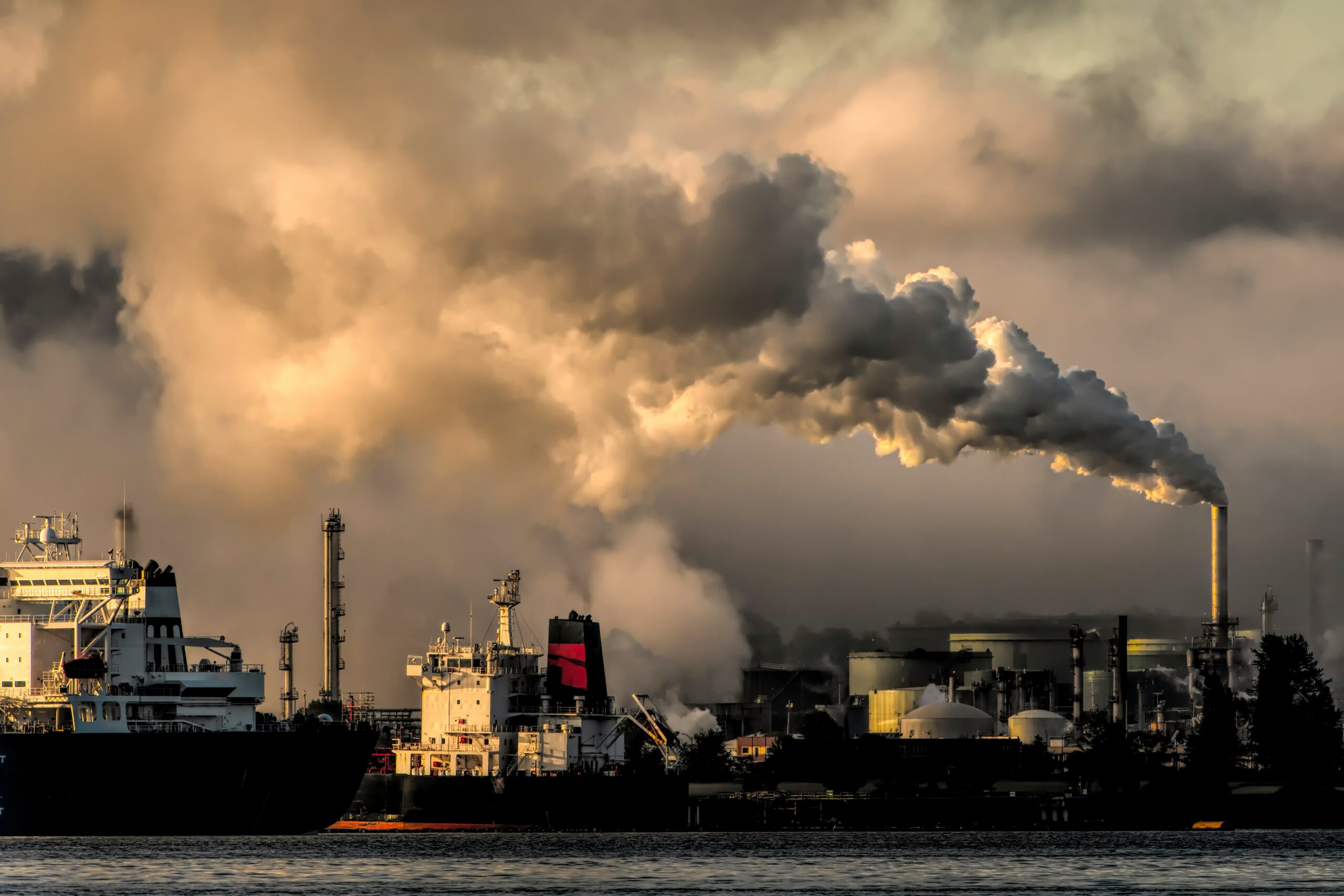
The IRGC formally announced the Strait of Hormuz closed to vessels heading to or from ports in the US, Israel, and their allies on March 27. The practical closure came earlier. US-Israeli strikes on February 28 killed Supreme Leader Ali Khamenei, and tanker traffic fell roughly 70% in the following week as maritime insurers designated the Persian Gulf a war-risk zone and shipping lines suspended transits.
By early April, some 230 loaded oil tankers sat anchored inside the Gulf. Brent crude surpassed $100 per barrel on March 8, peaked at $126, and Dubai crude hit $166, its highest recorded price.
For Bangladesh, the oil price shock was painful but secondary to the gas supply crisis. LightCastle Partners calculates that every $10 rise in global oil prices adds approximately $70-80 million to the country’s monthly import bill. At the Brent peak, prices more than doubled from pre-war levels. But the immediate rupture was in gas. Bangladesh’s daily gas demand runs around 4,000 million cubic feet, against supply that was already running below 2,700 mmcf before the crisis. LNG covered roughly 800 mmcf of that structural gap. When Gulf suppliers invoked force majeure within four days of each other, that buffer disappeared.
Petrobangla moved to the spot market and found conditions that Khan’s February diagnosis had predicted. Prices ran above $23 per MMBtu, more than double pre-war contracted rates, in a market suddenly overwhelmed by Asian buyers chasing the same limited pool of cargoes from non-Gulf suppliers.
Wood Mackenzie’s assessment was that Bangladesh could replace only about half of its disrupted contracted volumes through spot procurement. The shortfall wasn’t a credit problem. There simply weren’t enough non-Gulf cargoes to fill the gaps every affected buyer was chasing simultaneously.
The government’s emergency response reflected the options available. Four-hour daily gas cuts to CNG stations. Curtailment of textile and garment manufacturing. Discussions about suspending gas supply to fertilizer plants entirely. Rural areas reported 8-10 hour daily outages. The RMG sector, which generates around 80% of Bangladesh’s export revenue, was operating at around 40% of capacity, according to Energy Tracker Asia.
Petrobangla Chairman Md. Arfanul Hoque stated publicly: “As a precaution, we have reduced gas supply by 150 to 200 million cubic feet compared to last month.”
Where Things Stand
A two-week ceasefire took effect on April 8, but immediately following the announcement, the strait remained effectively closed, with Iran charging passage tolls exceeding $1 million per vessel and roughly 230 loaded tankers anchored inside the Persian Gulf waiting out the stalemate.
Wood Mackenzie projects South Asian LNG demand running 2-3 million tonnes below pre-crisis projections through Q3. Bangladesh’s contracted import costs won’t fully reflect the oil price surge until June, when oil-indexed pricing formulas catch up on their three-month lag. The fiscal pressure is still building.
Khan published a second op-ed on March 25, pressing the same structural reforms, storage, procurement diversification, taxation reform, and private participation. He is now actively working with the Bangladeshi government on developing solutions to the crisis.
Written in partnership with Tom White