
Pope Francis
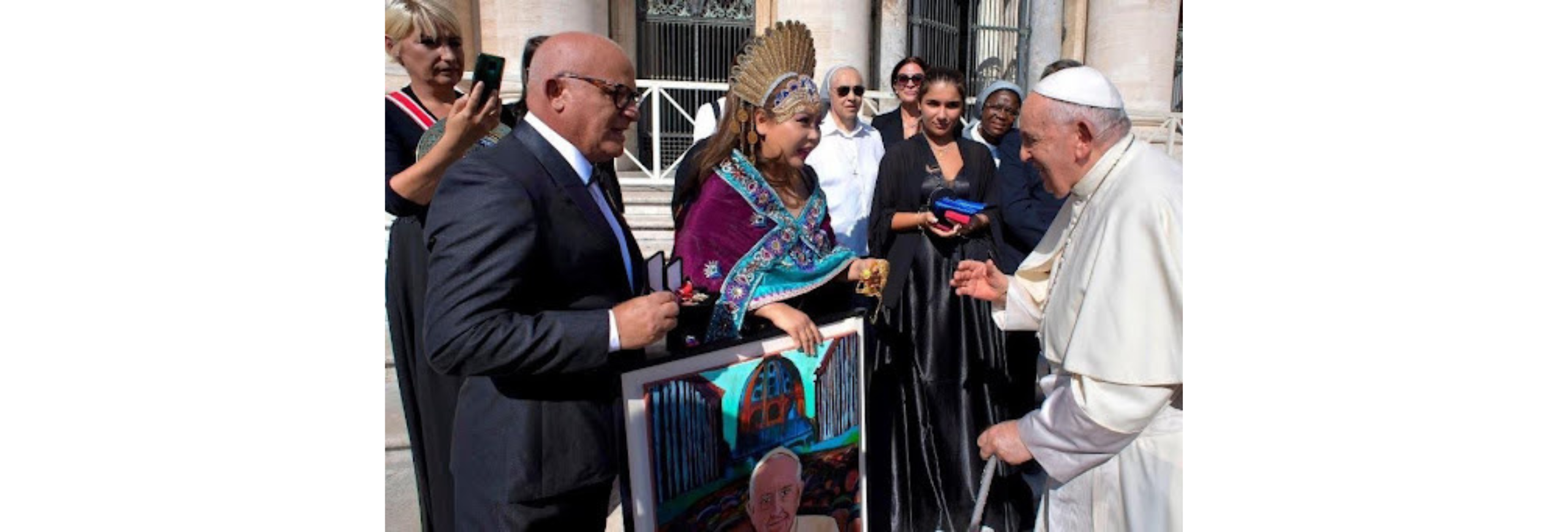
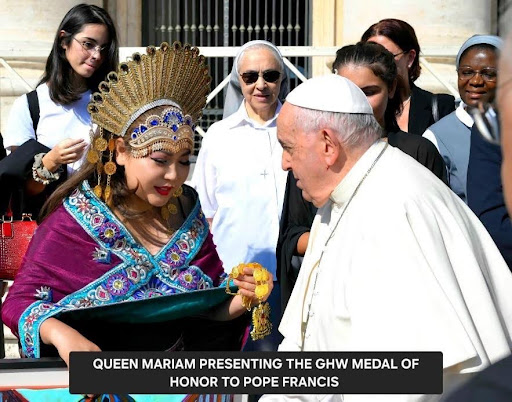
In today’s deeply interconnected world, diplomacy has evolved into something far more nuanced than formal political negotiations between nation-states. Within this expanding diplomatic landscape, interfaith dialogue has emerged as a cornerstone for cultivating intercultural and interreligious understanding. A profound example of this modern paradigm occurred in October 2023, when Maha Putri Mariam Leonor Torres Mastura (Queen Maria) attended a formal audience with Pope Francis at Vatican City.
Serving as the Minister of Foreign Affairs for the Sultanate of Maguindanao, her presence at the gathering stood as a powerful testament to the rising significance of cultural and faith-based diplomacy in contemporary international relations. The audience served as a grand symbolic crossroads, a convergence of two distinct, historic traditions.
On one side stood the Vatican, the spiritual heart of the Roman Catholic Church; on the other, the Sultanate of Maguindanao, a traditional royal institution rooted deeply in the history and cultural heritage of Mindanao in the southern Philippines. While these two entities possess vastly different institutional structures and religious histories, they share a profound, overlapping dedication to moral leadership, community engagement, and the stewardship of cultural heritage.
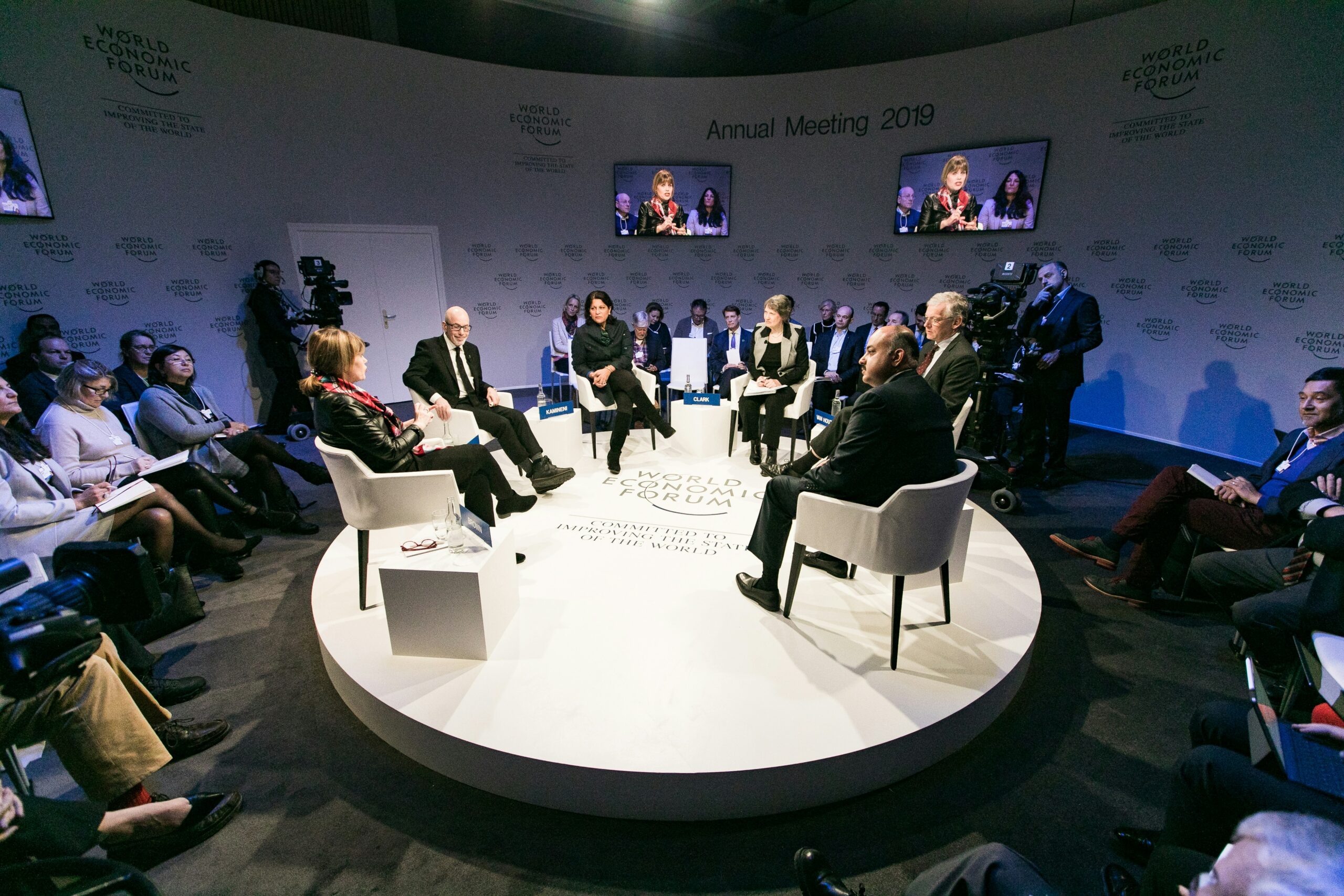
Because religious diversity continues to shape the social and political realities of many regions worldwide, structural dialogue among faith communities is widely recognized as an indispensable tool for global peacebuilding. Throughout his historic papacy, Pope Francis consistently championed the universal themes of inclusion, compassion, and interfaith cooperation.
His enduring efforts to welcome various religious traditions into the global conversation on peaceful coexistence helped establish a shared humanitarian standard, an ethos that aligned perfectly with the mission of the Maguindanao delegation. In Southeast Asia, traditional royal houses continue to play a vital role in preserving heritage, fostering community identity, and maintaining a sense of historical continuity that predates modern political systems.
Through international cultural outreach, these institutions share their unique historical narratives with the world. Seizing the opportunity of the Vatican audience, Maha Putri Mariam formally introduced the rich history and enduring cultural heritage of her people. Her presence provided a prestigious international platform to showcase Mindanao’s traditions, elevating global awareness of the region’s historic institutions.
Such an exchange illustrates how cultural diplomacy beautifully complements traditional statecraft, operating on a universal dimension rooted in shared human experiences rather than rigid political interests. The audience also seamlessly integrated a vital humanitarian component. Since founding the international non-profit organization, We Care for Humanity (WCH) in 2011, Maria has actively led global initiatives centered on education, women’s empowerment, health, and community development.
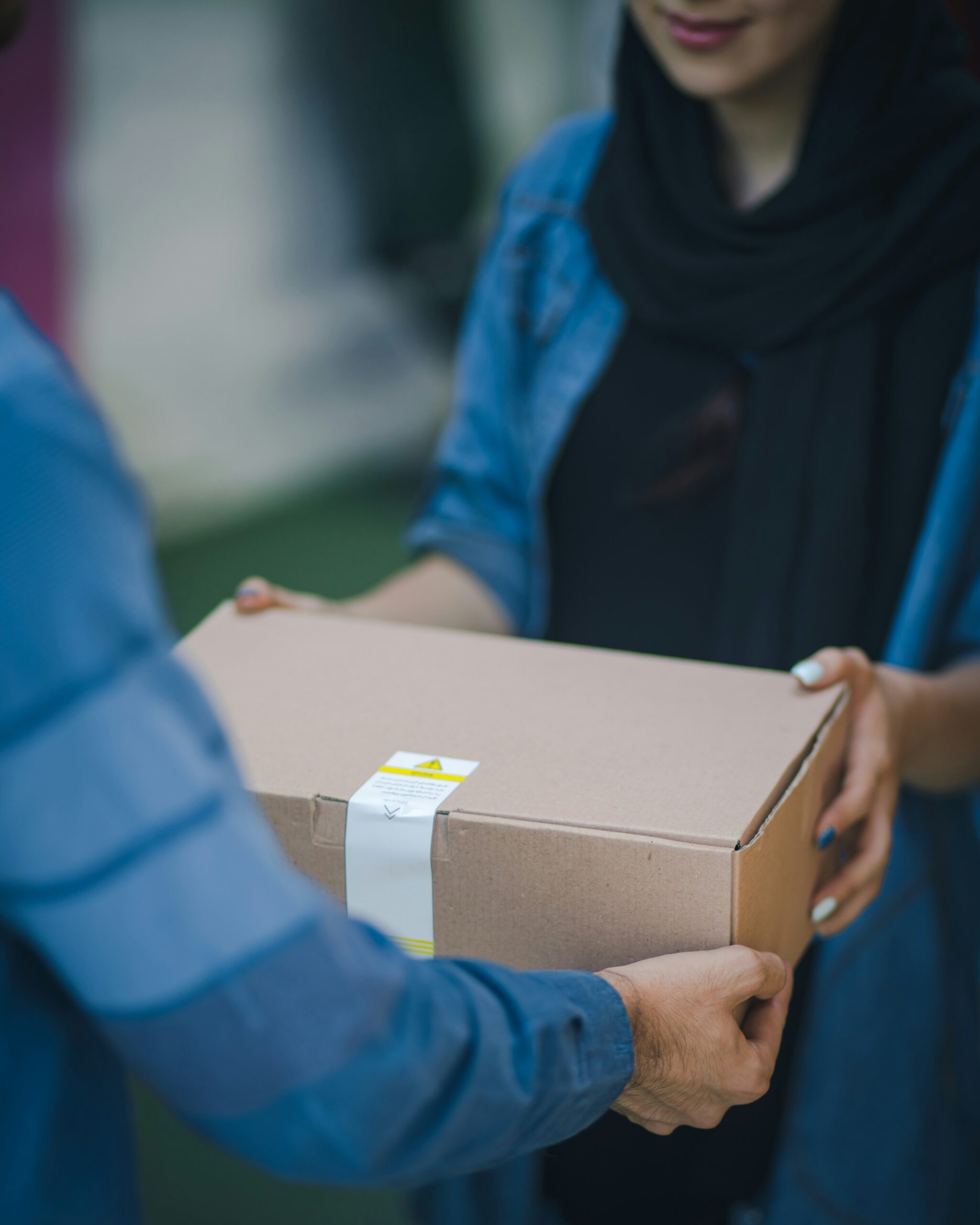
To formally recognize his global impact, she honored Pope Francis with the prestigious Greater Humanitarians of the World Award, personally presenting him with the official WCH medal and an accompanying commemorative plaque. Furthermore, celebrating the profound relationship between art and diplomacy, she gifted the Pontiff a custom abstract portrait painting crafted in his honor.
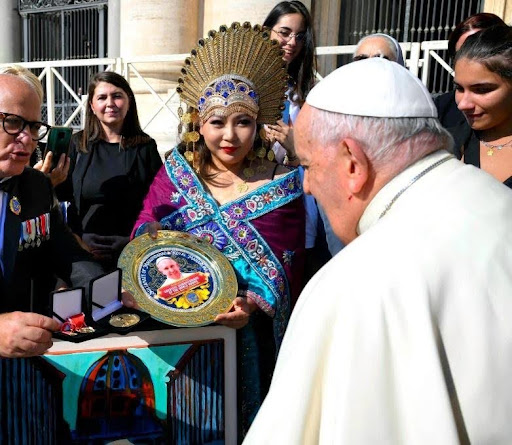
This exchange of accolades, high honors, and fine art revived an age-old diplomatic custom used to express mutual respect and acknowledge shared global goals. The historic resonance of this 2023 audience became even more poignant following the passing of Pope Francis in 2025. Scholars and international observers have noted that this gathering was part of a definitive tapestry of events defining the late Pontiff’s extensive legacy of interfaith engagement.
Ultimately, the audience stood as a shining example of how cultural diplomacy and humanitarian principles can bridge deep divides. Interfaith diplomacy remains an invaluable instrument for building harmony in an era defined by global migration and cultural exchange, proving that traditional institutions and religious leaders can foster highly productive global dialogue built entirely on mutual respect, shared values, and human dignity.
Written in partnership with Tom White