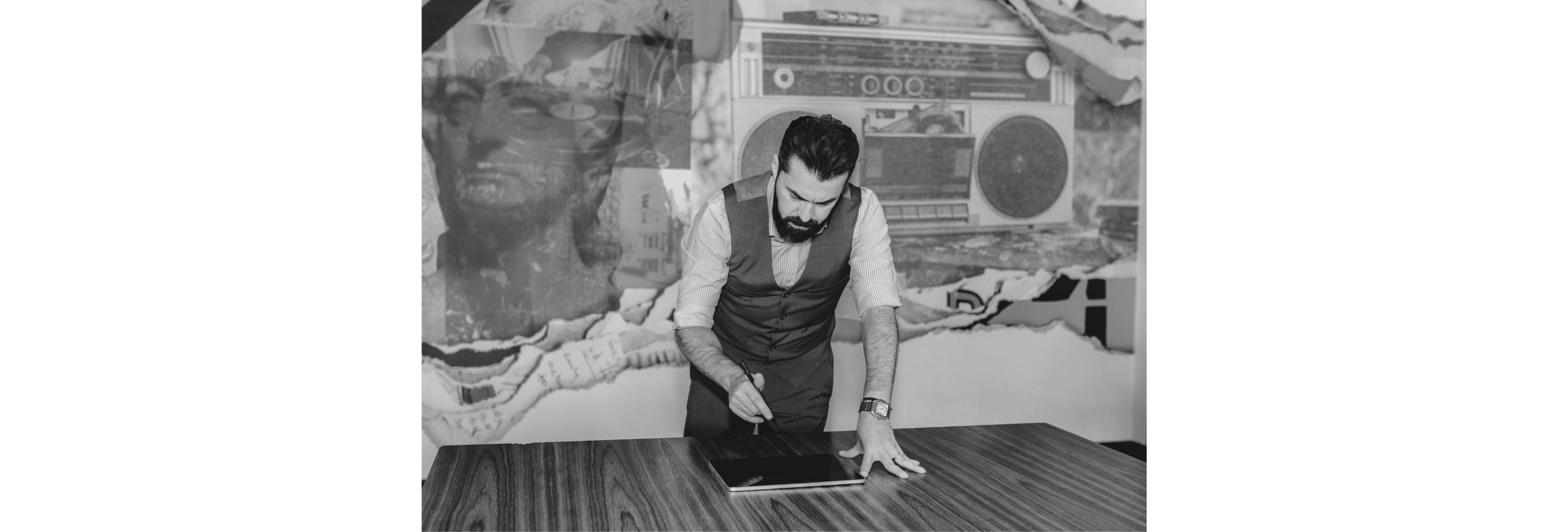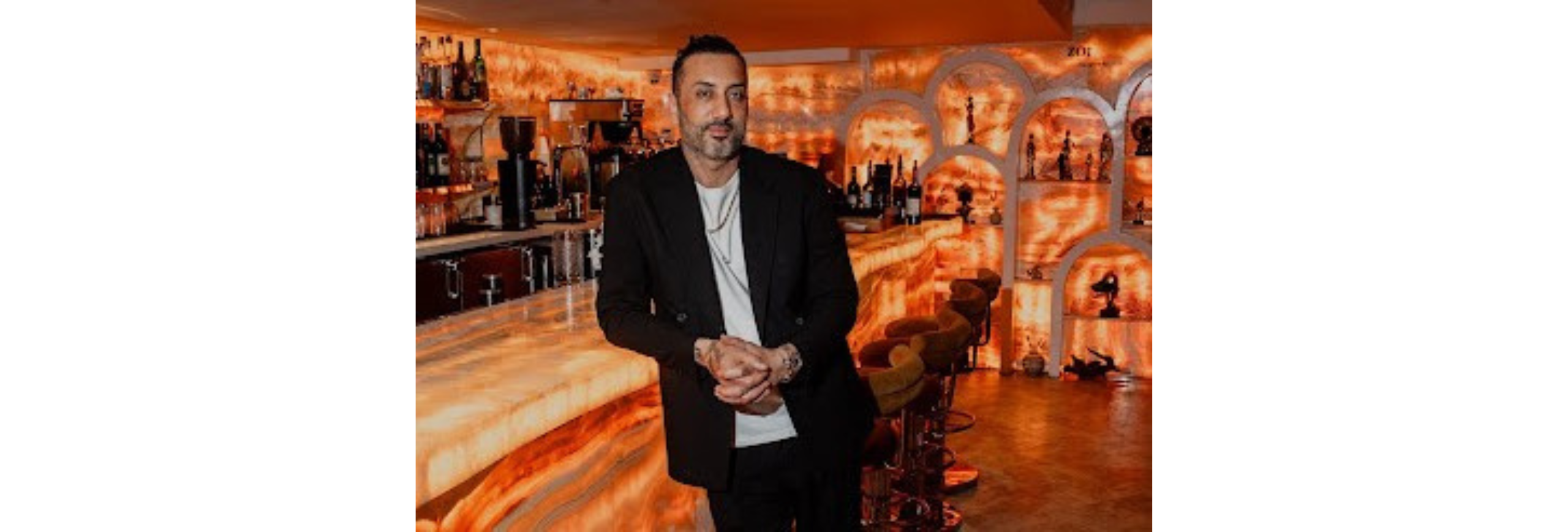

Onur Safak, Photo courtesy of Zoi
In New York City hospitality, opening a successful restaurant is one thing. Building an interconnected hospitality ecosystem, one that seamlessly blends dining, nightlife, culture, and lifestyle, is something far more rare.
Over the last several years, Onur Safak has quietly emerged as one of Manhattan’s most strategic hospitality entrepreneurs, creating a Mediterranean-inspired hospitality world that moves fluidly from elegant dinners into late-night nightlife experiences.
What separates Safak from many operators in New York’s crowded hospitality landscape is that he does not think in terms of individual venues. He thinks in terms of experience flow.
“My goal was never to create separate restaurants,” Safak says. “I wanted to build an entire lifestyle experience where every concept naturally complements the next.”
That philosophy can be seen clearly across Safak’s growing portfolio, including ZOI Mediterranean and Ten11 Lounge, concepts designed to work together as part of one cohesive hospitality ecosystem rather than operate independently.
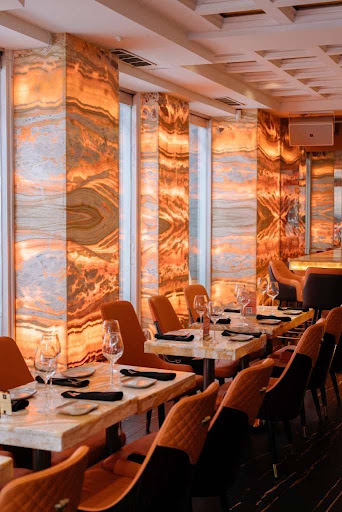
Zoi UES, Photo courtesy of Zoi
Today, ZOI operates both its NoMad flagship and its Upper East Side location, expanding Safak’s vision of modern Mediterranean hospitality across Manhattan while maintaining a consistent atmosphere rooted in warmth, elegance, and social connection.
At the center of that ecosystem is the NoMad location, where dinner upstairs at ZOI naturally evolves into the hidden nightlife experience downstairs at Ten11. Guests move effortlessly from Mediterranean dining into cocktails, music, and late-night energy without ever leaving the atmosphere Safak has created.
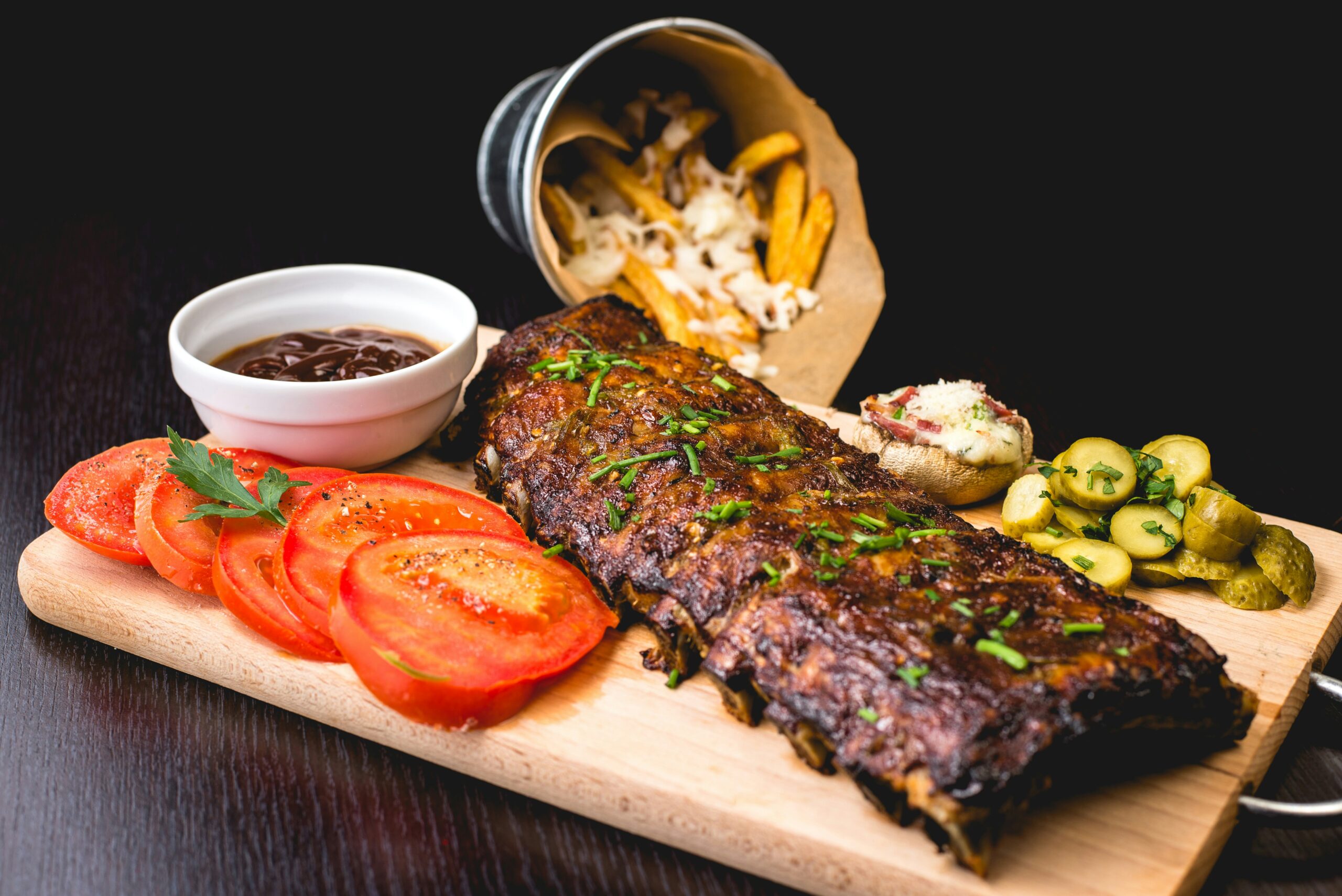
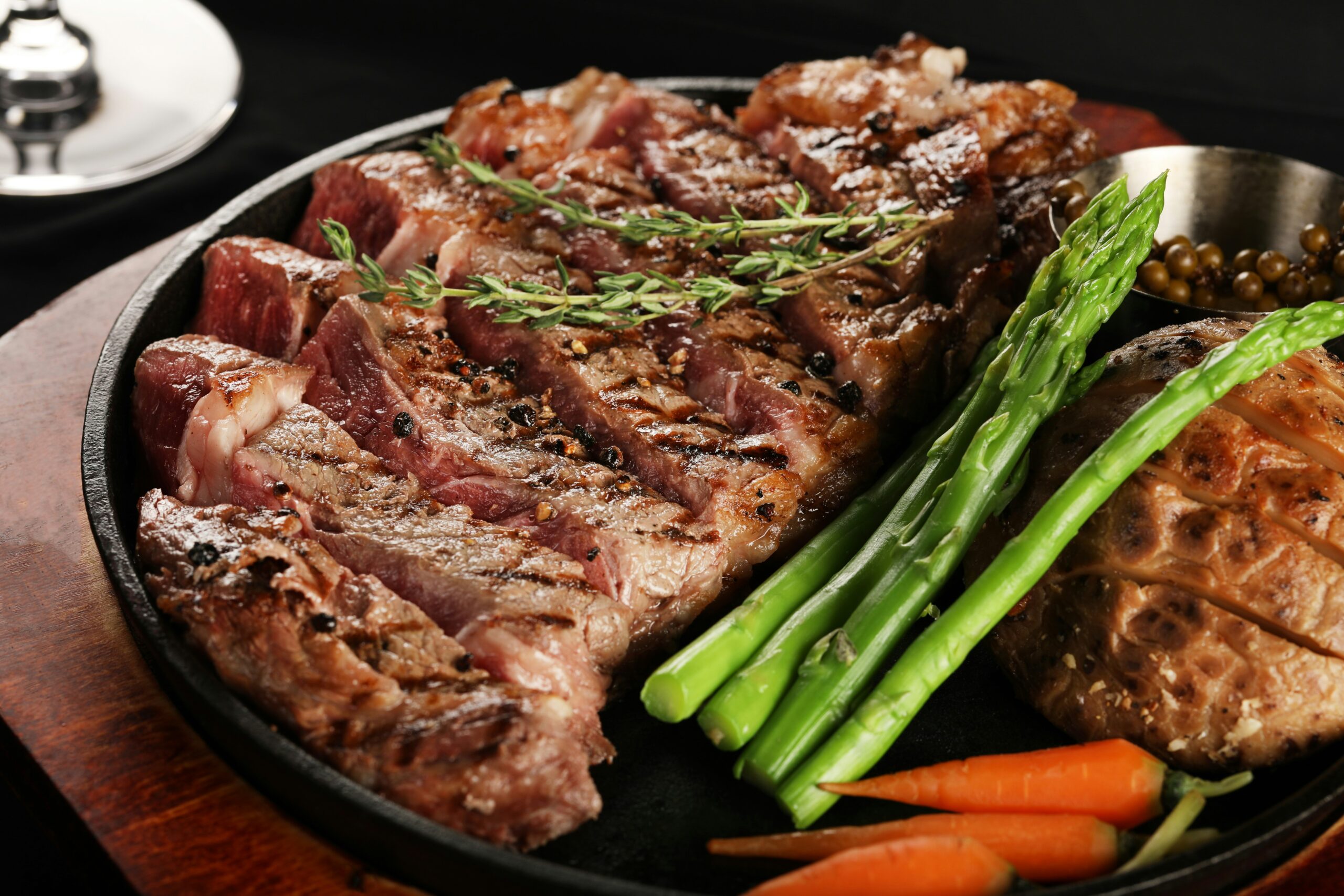
And now, Ten11 is becoming more of a dining destination in its own right. A newly expanded dinner menu gives guests another reason to stay longer, adding a stronger culinary component to the lounge. The menu is designed for the way people actually experience Ten11; socially, with dishes made for sharing over drinks and an evening that can evolve naturally from dinner into nightlife.
The expansion also strengthens Safak’s larger vision for the property. Guests can begin upstairs with ZOI’s Mediterranean dining experience or head directly downstairs for dinner and cocktails at Ten11, creating multiple ways to experience the NoMad destination under one roof.
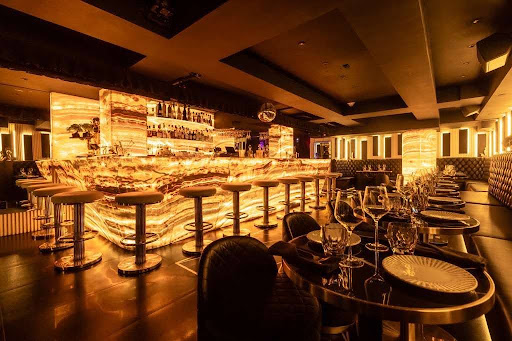
Ten11 Lounge, Photo courtesy of Zoi
“It’s about creating a journey throughout the night,” Safak explains. “You come for dinner, but the experience doesn’t end there. The night evolves naturally.”
That seamless transition between hospitality experiences reflects a broader shift happening within luxury dining and nightlife globally. Consumers increasingly want immersive environments where food, music, design, and social energy all exist within one cohesive world.
At ZOI, guests are welcomed into a polished Mediterranean environment built around elevated cuisine, warm service, and social dining. Downstairs, Ten11 introduces a darker, more intimate energy, an understated nightlife destination that has quietly become a magnet for New York’s creative, fashion, and entertainment crowd.
Rather than treating nightlife and dining as separate businesses, Safak views them as extensions of one another.
“The best hospitality experiences feel effortless,” he says. “People shouldn’t feel like they’re being pushed from one venue to another. Everything should feel connected emotionally and energetically.”
In an era where many restaurants struggle to create loyalty beyond reservations and social media moments, Safak has focused heavily on atmosphere, consistency, and human connection. Every detail, from music and lighting to pacing and service, is designed to create an emotional experience guests want to return to repeatedly.
“In hospitality, people remember how you made them feel,” Safak says. “That feeling is what builds community.”
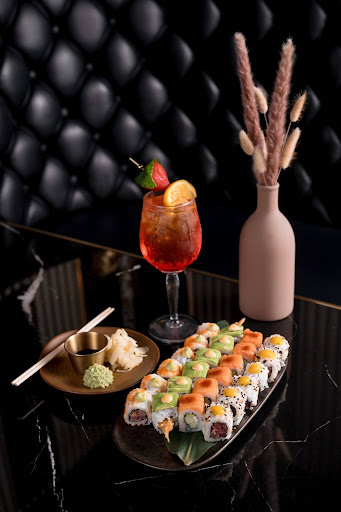
Photo courtesy of Ten11
Safak’s ventures also reflect the growing convergence between hospitality and lifestyle branding. Restaurants today are no longer simply places to eat or drink; they have become social ecosystems, cultural hubs, and extensions of personal identity.
Written in partnership with Tom White