
Image credit: Unsplash
Cannabis and beauty may not seem like obvious industries to build a career across.
One involves a heavily regulated market where customers often need help understanding unfamiliar products. The other is deeply personal, with customers making choices about their appearance, hair, and sometimes how they feel during difficult periods in their lives.
However, Toni Malanga has worked in both.
Her background includes leading a cannabis dispensary and building a beauty business around custom wigs, extensions, and personal care products. While the products and regulations differ, Malanga’s experience points to what the industries have in common: customers often need more than something to buy. They need information, personal attention, and enough trust to feel comfortable making a decision.
For women building businesses in cannabis and beauty, those needs have created room to rethink how they serve customers and what a successful business in either industry can look like.
Cannabis and Beauty Have Both Become More Professionalized
Cannabis and beauty have both changed considerably over the past several years.
The legal cannabis market has developed into a regulated industry with increasingly complex requirements around operations, compliance, product knowledge, and customer education. Beauty has expanded well beyond traditional salon services, with businesses offering specialized products, custom hair solutions, wellness-oriented services, and more personalized customer experiences.
Running a company in either space now requires considerably more than just knowing the product.
Founders may find themselves dealing with marketing, supply chains, compliance, customer experience, technology, hiring, and the everyday financial decisions that come with running a business.
That combination is part of what makes Malanga’s experience across the two industries interesting. Her work has required her to understand the customer-facing side of a business while also managing what happens behind the scenes to keep it running.
The industries may look very different from the outside, but some of the business challenges are surprisingly similar.
Customers Have Questions Before They’re Ready to Buy
Education is particularly important in cannabis because many customers walk into a dispensary without knowing exactly what they’re looking for.
They may have questions about cannabinoid profiles, consumption methods, product differences, or how a particular option fits what they’re hoping to get from it. Staff knowledge matters because the customer may be relying on that conversation to make sense of products that are still unfamiliar to them.
Beauty creates its own version of that interaction.
Someone buying a wig, choosing extensions, or considering a new treatment may want to understand the product, how it will work with their hair or lifestyle, what maintenance involves, and what they can realistically expect.
In both cases, the sale can depend heavily on whether the customer trusts the person giving the advice.
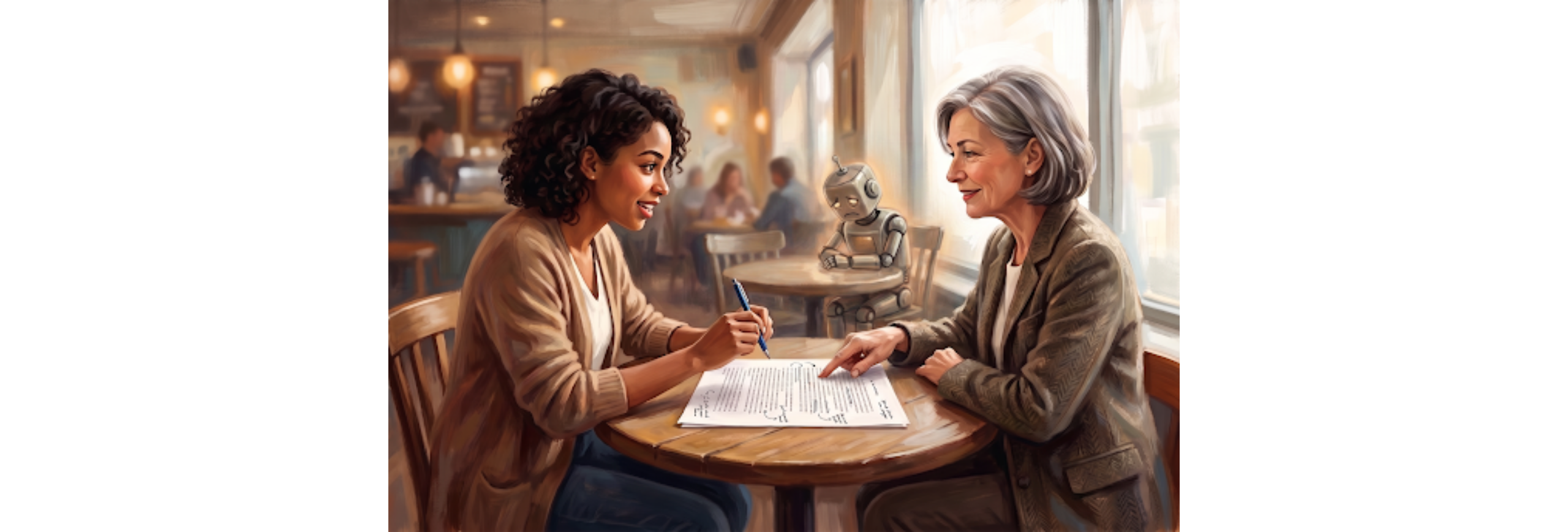
That makes education part of the customer experience. It also allows smaller, founder-led businesses to build relationships through conversations that feel personal and useful.
Malanga’s experience in cannabis and beauty puts her on both sides of that dynamic. In each industry, knowing the product matters. Knowing how to talk to the person considering it matters just as much.
Personalization Looks Different When the Customer’s Needs Are Personal
Beauty has always involved personal preference, but some services make that especially clear.
A custom wig or hair solution may be chosen because someone wants a particular look. It may also be needed because the person is experiencing hair loss related to alopecia, chemotherapy, or another circumstance that makes the interaction far more personal than an ordinary retail purchase.
That changes what good customer service looks like.
The person sitting across from you may care about appearance, comfort, privacy, maintenance, cost, or simply feeling like herself again. A standard recommendation isn’t always enough.
Cannabis customers can arrive with similarly individual questions. People may have different levels of familiarity with cannabis, different reasons for considering a product, and very different comfort levels discussing what they need.
Founders who work closely with customers quickly learn that personalization isn’t just about offering more options. It starts with listening closely enough to understand why someone came in.
Building Service Into the Business
For Malanga, the connection between business and service is particularly visible in her work with hair solutions.
Her broader entrepreneurial work includes helping people experiencing hair loss, including those affected by alopecia or chemotherapy treatment. In those situations, a wig or other hair solution can carry emotional significance that goes well beyond appearance.
Cannabis presents a different set of responsibilities. Customers may need clear information about products, responsible use, and what they should realistically expect.
Malanga’s career across both fields reflects an approach that places considerable weight on the experience surrounding the product.
That can also affect how a company grows.
Partnerships that make medical hair solutions more accessible, including collaborations involving insurance coverage, can help a beauty business reach people who might otherwise struggle to afford them. In cannabis, education and responsible customer guidance can become part of how a dispensary builds credibility with people who may be entering the market for the first time.
The business still has to work financially. But it can build that into the operation from the start instead of adding it later as a marketing message.
Experience Across Industries Can Change How a Founder Sees a Problem
One advantage of working in two different industries is that assumptions that feel normal in one don’t necessarily follow you into the other.
Malanga’s background spans cannabis dispensary leadership, beauty entrepreneurship, and the development of custom wigs, extensions, and personal care products. That gives her experience with different customers, operating environments, and expectations.
It also creates opportunities for ideas to travel.
A strong emphasis on product education in cannabis can influence how a founder explains beauty products and services. The highly personal nature of beauty can reinforce the importance of listening carefully to cannabis customers before making recommendations.
Formal training in areas such as business, marketing, and UX design can add another layer by helping founders think about how customers move through an experience, where confusion develops, and how to make a service easier to understand and use.
None of those skills belong exclusively to cannabis or beauty. That’s part of their usefulness.
Where Cannabis and Beauty Meet
The most interesting thing about Malanga’s career may be that cannabis and beauty don’t have to be closely related for experience in one to improve the way someone works in the other.
Both involve products people can have strong opinions, questions, and uncertainties about. Both can require a high degree of trust between the customer and the person helping them. In both industries, the experience around a product can matter almost as much as the product itself.
For Malanga, moving between the two has meant bringing some of the same habits with her: educating the customer, paying attention to what the person actually needs, and building services around real situations instead of assumptions.
That doesn’t make cannabis and beauty the same business. It shows what can happen when a founder doesn’t leave everything she learned in one industry behind when she enters another.
As more entrepreneurs build careers that cross traditional industry lines, some of the more useful ideas may come from exactly that kind of overlap.
About Toni Malanga
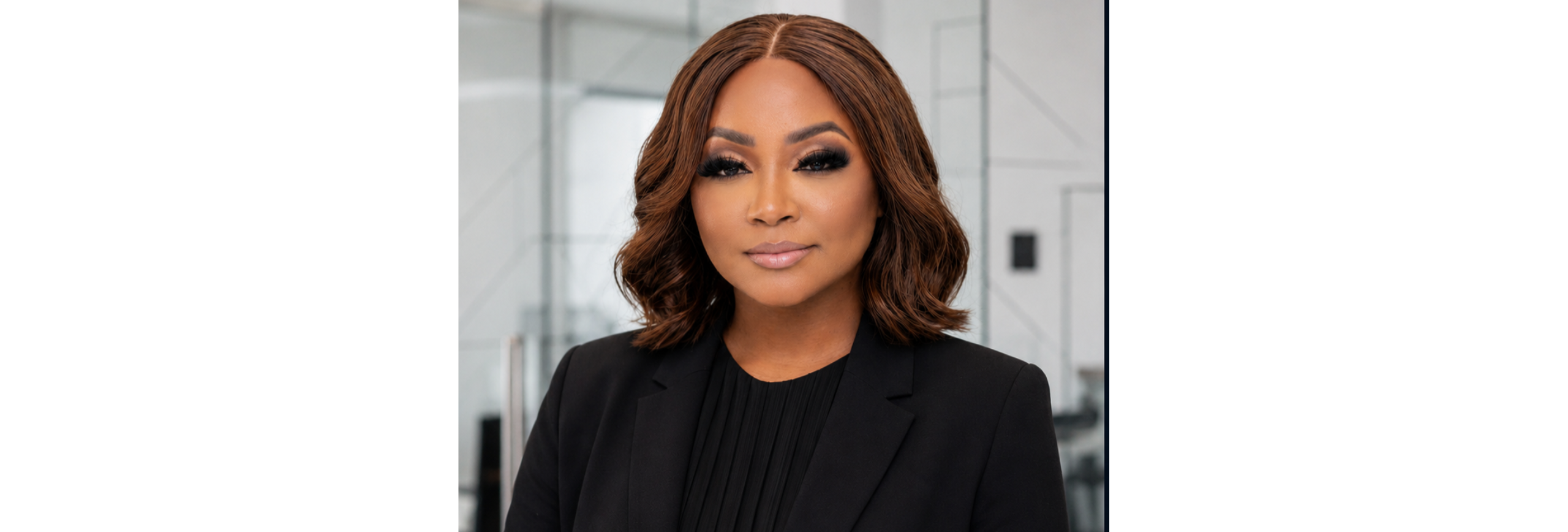
Toni Malanga is an entrepreneur whose experience spans cannabis leadership, beauty, and product development. Her work has included dispensary leadership and building a beauty business focused on custom wigs, extensions, and personal care products.
Her approach emphasizes customer education, personalized service, and expanding access to hair solutions for people experiencing hair loss, including those affected by alopecia and chemotherapy. Her broader professional interests include business, marketing, technology, and UX design.
Written in partnership with Tom White