
An early adopter of AI, the software designer and former CEO has no fear of the technology, only a firm rule that a human hand must stay on the controls.
Paul McLellan got his first Commodore Amiga at age 11, and he was immediately interested in how the software worked. “That curiosity hasn’t ever gone away,” he says. “I first started making video games. Then I was writing software for bulletin board systems-the internet before the internet.”
His professional career began in 1995. A year later, he was asked to teach the first internet class in the state of Minnesota, and he became one of the world’s first pioneers in e-commerce development. He taught himself Adobe ColdFusion and hand-coded the public-facing e-commerce platform for the business he worked for.
Then he became CEO of that business and realized he could enact all of his dreams, visions, and goals without bureaucracy and red tape. Over the years, he launched four social networks, built six e-commerce platforms, and helped oversee US$270 million in revenue at LightBulbs.com before selling the business in 2025.
Humans Still Hold the Wheel
Today, McLellan works with other large-scale software providers and their developer teams, focusing on UI/UX, which he considers crucial and often overlooked. He uses AI every day, and he’s clear about who is in charge.
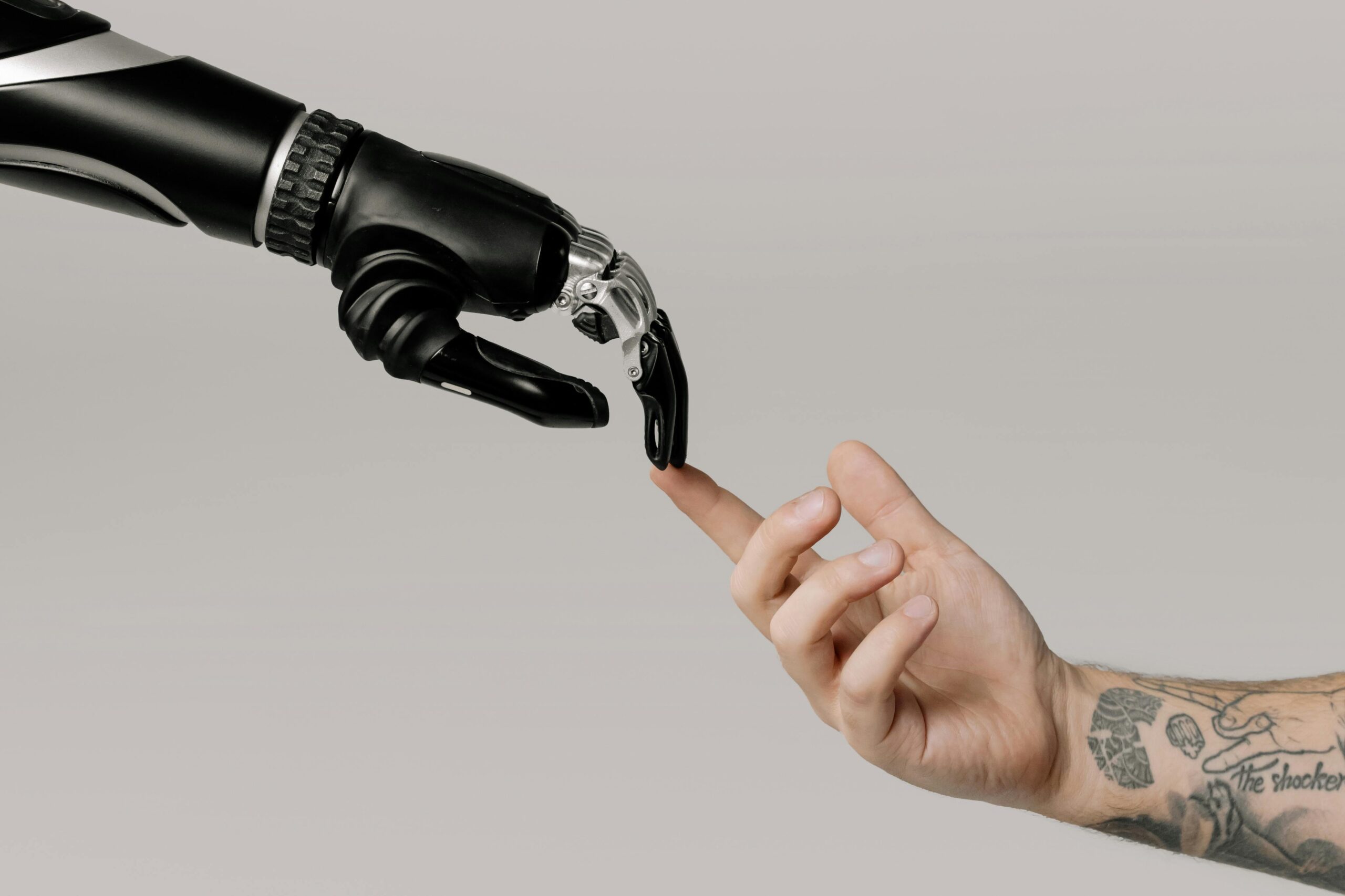
“I look at it as the greatest tool in my toolbox, but it must still be my hand that wields it, and my brain that drives its power and velocity,” he says. “I have no fear of AI, just immense curiosity.”
His advice to anyone entering the field is equally direct. “Leverage AI without turning off your creative brain,” he says. “Let AI help you but don’t let it replace you.”
Why Slop is the Real Enemy
He wants AI used on purpose. “AI activation is important, but I’d go a step further. I’d say ‘intentional’ or ‘intelligent’ AI activation,” he explains. “Learning how to take this exponential leap in technology and using it to advance product quality and release timeframes without creating slop.”
“There is this tendency to take the new and shiny thing and let it do everything for us,” he says. “It’s too easy to just feed it a prompt and take the ‘finished product’ and assume it’s market-worthy.”
His answer is a partnership. “AI still needs a human in the loop, so it’s learning where both parties (AI and human) can play to their strengths and work together, which is key.”
The Artist Inside the Coder
Most people in software are developers or designers, rarely both. McLellan is both. Before he ever wrote code, he was an artist, sketching and even painting, a talent that runs back several generations in his family.
When he started learning to code in the early 90s, he brought those years of artistry into his own software. “Despite being a developer (you know, hand-coding before AI was a thing), I’m a designer at heart,” he says. “I have a knack for breaking down complex processes into their base-level function and bringing a minimalist form that the end user can understand, removing friction from the process.”
He describes himself as a reformer. “I enjoy improving and beautifying systems, processes and software,” he says. “With software design, simplicity is everything. Every pixel matters.”
Taming a Household With Code
He and his wife have nine children, and keeping a household that size running takes software. He has been using AI, specifically Claude, to build web browser extensions for his job and at home.
“We have all of these linked Google Calendars for all of our meetings, appointments, athletics, etc.,” he explains. “I love Google Calendar, but it doesn’t look and perform the way I want it to, and I have a lot of wasted steps and clicks.”
He wrote a complete overhaul of Gmail and Google Calendar, with better data integration, intuitive color coding, and visual upgrades beyond the base product. He’s also working on an Amazon.com extension that tracks pending inbound orders and active subscriptions.
Why Profit Beats Being First
As per McLellan, it took him years to learn the biggest lesson. “The greatest lesson I’ve learned in business is that profitability and cash flow matter so much more than the vain pursuits of being #1,” he says.
Profitability gave him room to invest in his staff, build a state-of-the-art office and warehouse, and give generously to charities, including multiple hundreds of solar-powered lights for Liberia, Kenya and Haiti. “Success is about more than just revenue,” he says.
AI has also greatly shortened the time-to-market life cycle, and McLellan sees only opportunity in that. After 35 years in software, he’s still curious and still the one steering. “There has never been a better time to create and launch software,” he says. “Whatever you are, be a good one.”
Written in partnership with Tom White