
The co-founder and CEO of My Instant AI is building a retail-first route to more than 100 AI models, with a simple premise: access should not depend on a credit card or another monthly subscription.
At a shop counter, a prepaid card can turn cash into phone minutes, game credits, or now, access to artificial intelligence. Alexander Smith, co-founder and CEO of My Instant AI, sees that familiar transaction as a way to open up a fast-growing technology to people who might otherwise be left out.
His idea grew from a problem he had encountered on both sides of the business. Before entering AI, Smith led cannabis companies in several states, where limited access to traditional banking meant that many businesses relied on cash. When he began exploring AI products, he found a different kind of barrier: most required a credit card and a recurring subscription. That model could exclude people without a financial account and saddle users with multiple monthly bills if they wanted to try different tools.
“Prepaid had already solved this for phone minutes and game credits,” Smith says. “You hand a cashier some cash, and you walk out with a PIN. Nobody had put AI on the prepaid rack, so we did.”
A My Instant AI card works like a phone top-up. Customers use a PIN to add funds to a single wallet, then choose from a catalog of more than 100 AI models, including ChatGPT, Claude, Gemini, and Llama. The company sells access through prepaid distribution channels, giving customers a way to pay in cash at retail locations across more than 150 countries.
One Balance, Many Models
Smith describes My Instant AI as a distribution company for AI. Instead of requiring customers to open accounts with multiple providers, the platform brings a range of models behind one balance. A customer can select the tool suited to a particular task and switch models without managing several separate subscriptions.
The company’s pricing is designed around the habits of prepaid customers. Forever Tokens start at US$1 and do not expire, allowing customers to buy small amounts of access as needed. Boost Tokens offer more tokens for the money, with usage resetting at the end of each term. Carriers can also bundle tokens into plans their customers already purchase.
“We buy model access from the labs and spend our own money on distribution and education,” Smith says. When a lab releases a stronger model, My Instant AI can add it to the catalog, giving customers access through the same wallet.
For Smith, the value of the platform is not only convenience. It is also the possibility of making AI available without assuming that every prospective user has a bank account, a credit card, or the desire to sign up for yet another recurring payment.
Explaining a New Product
The company’s rapid expansion into retail brought a new challenge: helping shoppers understand what an AI card could do. Getting products onto store racks happened quickly, Smith says, but many people who had heard about AI had never paid to use it. A card hanging beside a familiar gaming gift card needed to communicate its value before a shopper decided whether to buy it.
My Instant AI responded with education and low-friction ways to explore the service. Customers can earn free tokens by completing lessons in the company’s AI Academy, watching its YouTube content, and engaging with the Superconfident podcast, which Smith says has passed millions of views. Open-source models are free to use up to a daily limit, letting first-time users experiment before spending money.
The approach reflects a broader conviction that access depends on more than simply making a product available. Customers need a way to understand how it fits into daily life, what different models can do, and when one tool may be more useful than another. Education is therefore part of the company’s distribution strategy, not an add-on to it.
Growth Through Distribution
The decision to work through prepaid distributors has been the most consequential for the company’s growth. In August 2025, Smith and his team took My Instant AI to the All Wireless & Prepaid Expo in Las Vegas, where they pitched companies already selling phone cards and gift cards. EzPin signed with the company that November. In less than six months, My Instant AI had grown from no retail locations to more than 75,000.
The model gives the company access to established networks instead of requiring it to secure stores one at a time. Each new distributor or carrier can build on agreements and systems already developed for earlier partners, while a visible retail presence in one market can make it easier to open conversations in the next.
Smith expects that momentum to continue as the company pursues a worldwide retail distribution agreement, works with carriers on token bundles, and develops a warehouse-club pilot in the United States. The pilot puts AI education at the center of the offer, pairing instruction with usage so customers can see what the technology can do before paying for access.
For distributors, one measure matters particularly: whether customers come back. “The number I’ll watch most is the second purchase,” Smith says, “since every distributor asks us for it.”
Staying Close to the Work
Smith remains closely involved in distribution deals and product development, the two areas he sees as central to the company’s growth. Although he is a non-technical founder, he writes many of the product specifications and uses AI tools to prototype features, giving the engineering team a working starting point.
His leadership approach draws on his years in cannabis, where he built retail distribution in a highly regulated industry with different rules in every state. As My Instant AI’s executive team has grown, he has shifted more responsibility for daily operations to COO Nick Moon and devoted more of his time to partners and product.
Smith also emphasizes experience and ownership when building the team. CFO Ramón Valadez previously served in the Arizona Legislature and spent 17 years on the Pima County Board of Supervisors, overseeing a budget of more than US$1.3 billion a year. Two other executives bring experience from Lyca Mobile, a background that Smith considers relevant to a business built around prepaid distribution. The engineering team includes people with NASA and government AI experience, while former MrBeast producer Brady Edwards leads the company’s YouTube channel.
Equity is another part of the culture. Executives hold company ownership, and some equity is tied to specific deals, connecting the people working on a contract with the outcome. Smith also points to Matthew Bermudez, who joined as an advisor and became chief revenue officer in August, as an example of the leadership he hopes to develop from within.
A Broader Future for AI
Smith expects the economics of AI to change as the industry matures. Today’s generous free tiers, he predicts, will become harder for major labs to sustain as computing costs remain high. If free access narrows, he believes customers will look for affordable ways to reach the strongest models, strengthening the case for an aggregator that combines them behind one balance.
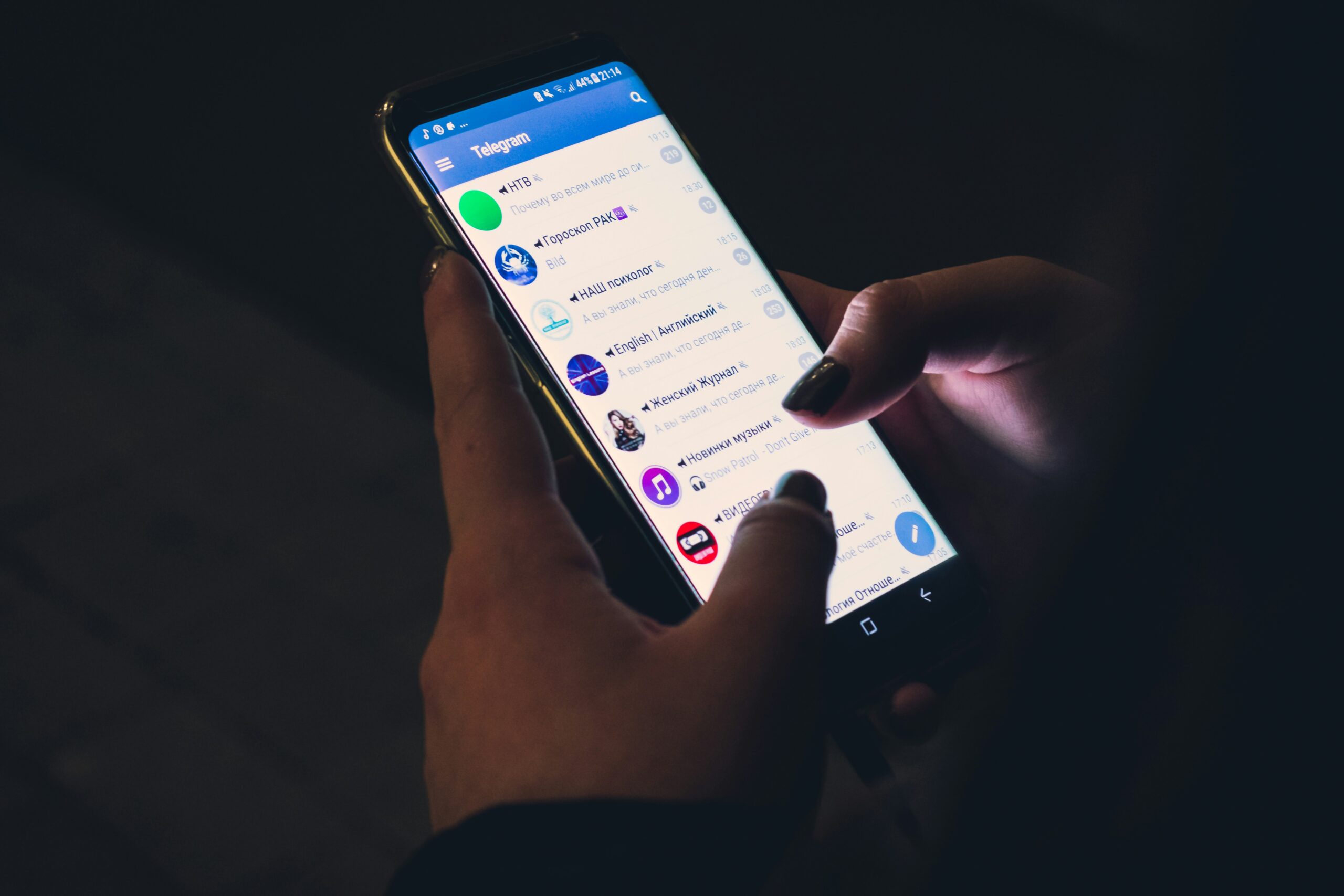
He also sees an opportunity for carriers to sell AI access in much the same way they sell data. In markets where prepaid plans are already common, tokens could be bundled into the phone service customers regularly buy. My Instant AI’s SideKick agent, which runs inside WhatsApp and Telegram, follows the same principle: place the product in services customers already use.
By 2030, Smith hopes every company selling prepaid phone cards will also sell prepaid AI, with most of those cards carrying the My Instant AI name. The larger ambition, though, is captured in the company’s purpose: “A mom in Ethiopia should have the same access to AI that a Stanford engineer has, and she shouldn’t need a bank account or a subscription to get it.” He sees a benefit extending beyond the customer, too: the local shop owner earns a margin when that card is sold.
For Smith, putting AI on the prepaid rack is a practical business strategy and a statement about who should be able to use the technology. If the model succeeds, a customer will not need to navigate a stack of accounts or payment requirements to get started. A small purchase at a neighborhood shop could be enough.
Written in partnership with Tom White